Faversham Life
Faversham Life
Words Posy Gentles Photographs Neil Brown
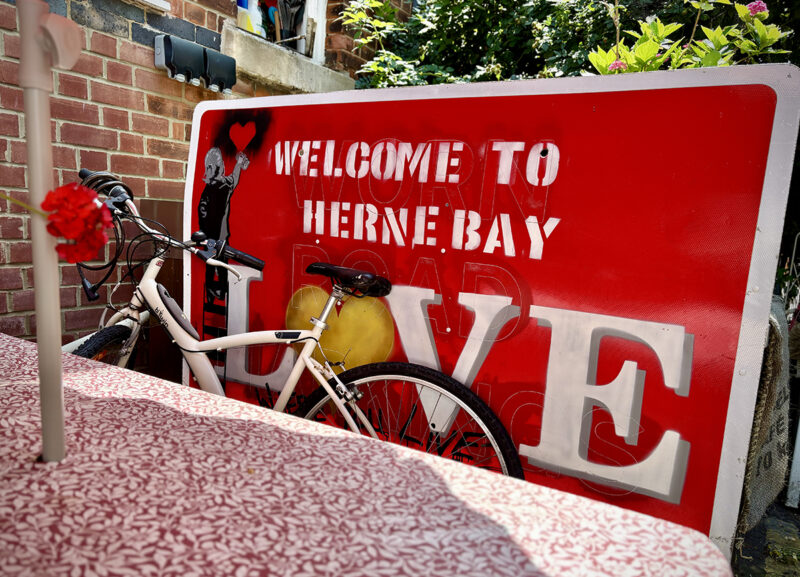
Herne Bay is the nearest proper seaside to Faversham. In 15 minutes on the train, you will find enough slot machines to ruin you; a pier and crazy golf; chips to eat on the beach while gazing out at the windmills, the Maunsell forts, and the marooned end of the pier; a tide that hangs around long enough to give you several good hours of swimming; and no end of live music, albeit mostly tribute bands. In Herne Bay, the sea starts to feel like real sea, not estuary.
Herne Bay has not had its moment of voguishness like Whitstable or Margate. It cannot claim to be the dernier cri in chic seasidery, but Faversham Life found much to amuse and idle away a sunny day in July.
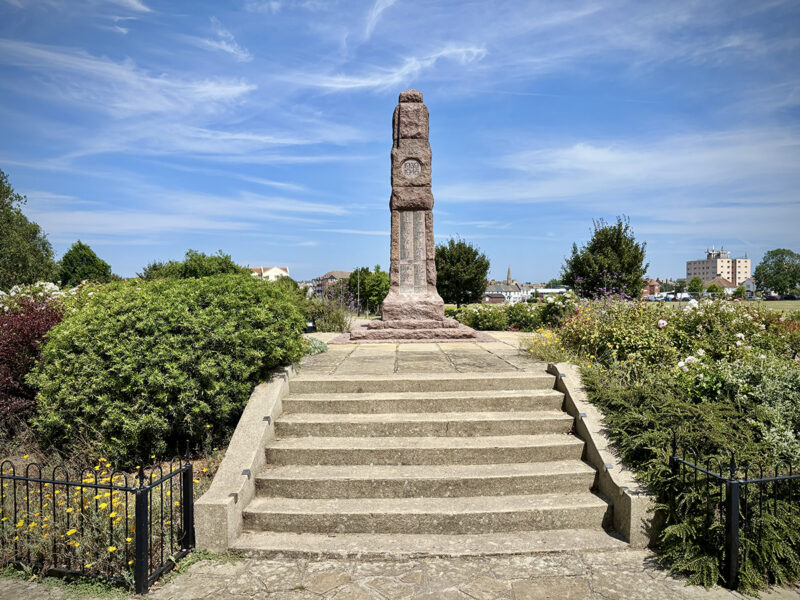
The Memorial Park was established at the end of World War I and the Cenotaph erected on 11 November 1922 to commemorate the 211 people who died in the war
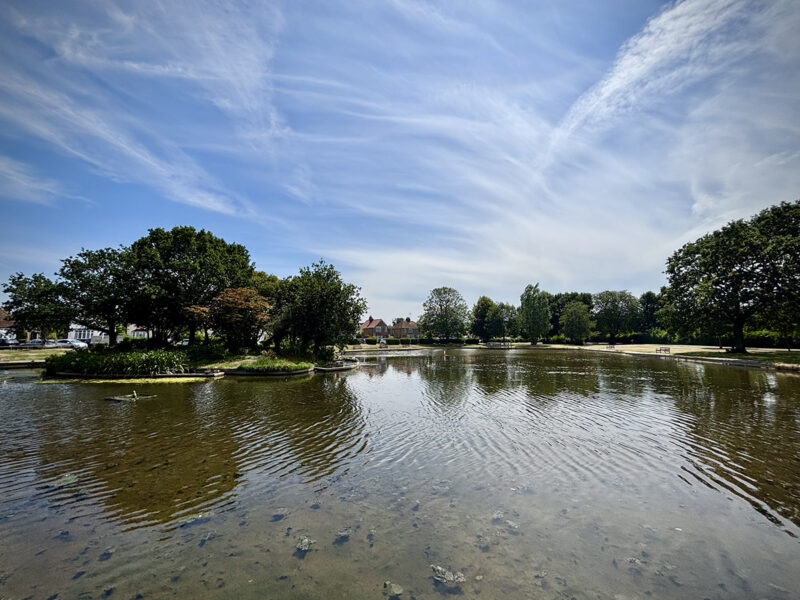
The Memorial Park lake
Arriving at Herne Bay station, we walked through the peaceful Memorial Park with its formal planted gardens, artificial lake and avenues of trees, to Beach Creative, a community arts centre modelled on Faversham’s Creek Creative.
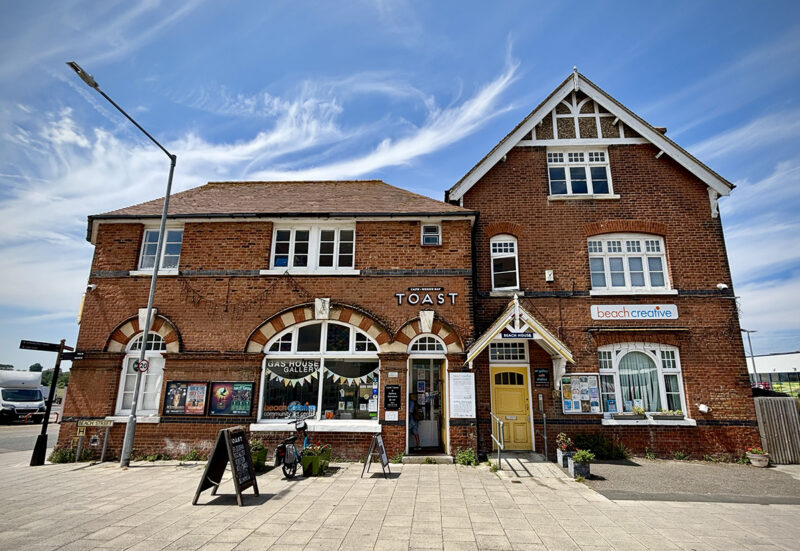
Beach Creative, Herne Bay’s community arts centre inspired by Creek Creative in Faversham
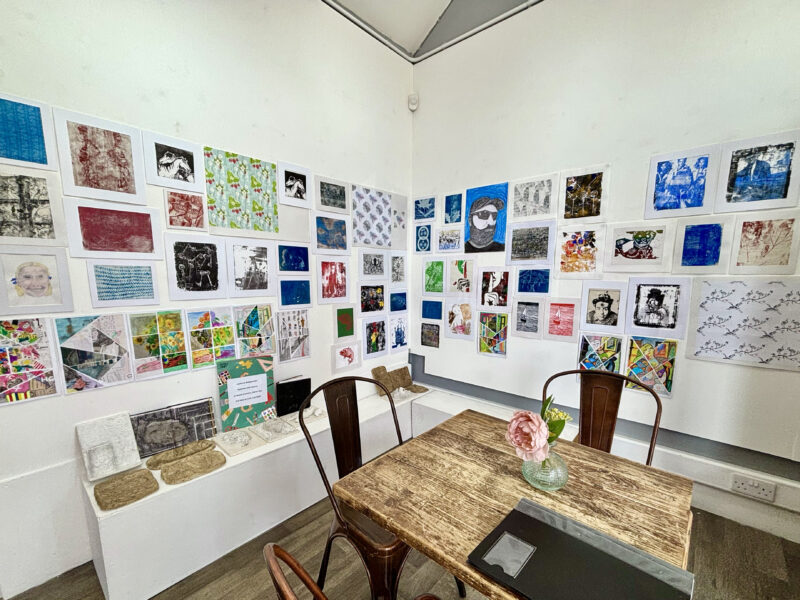
Herne Bay artists display their work at Beach Creative
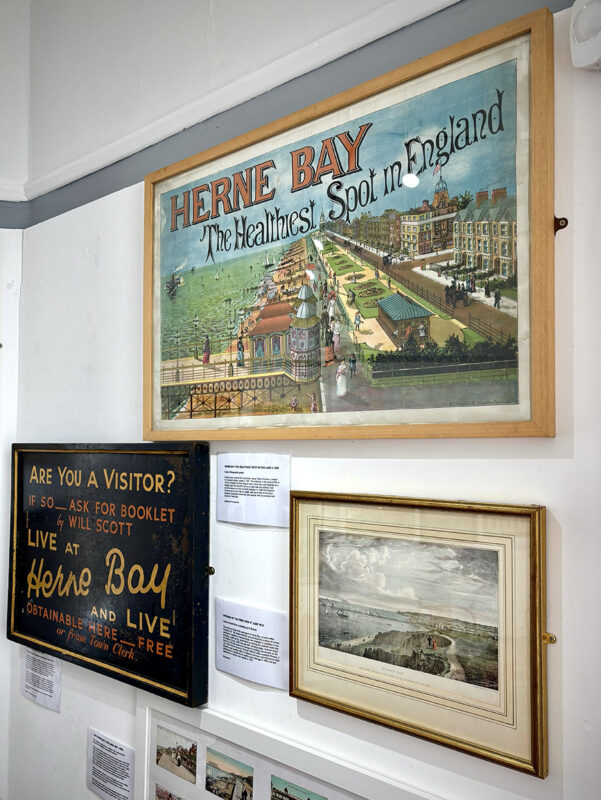
An exhibition of historical Herne Bay
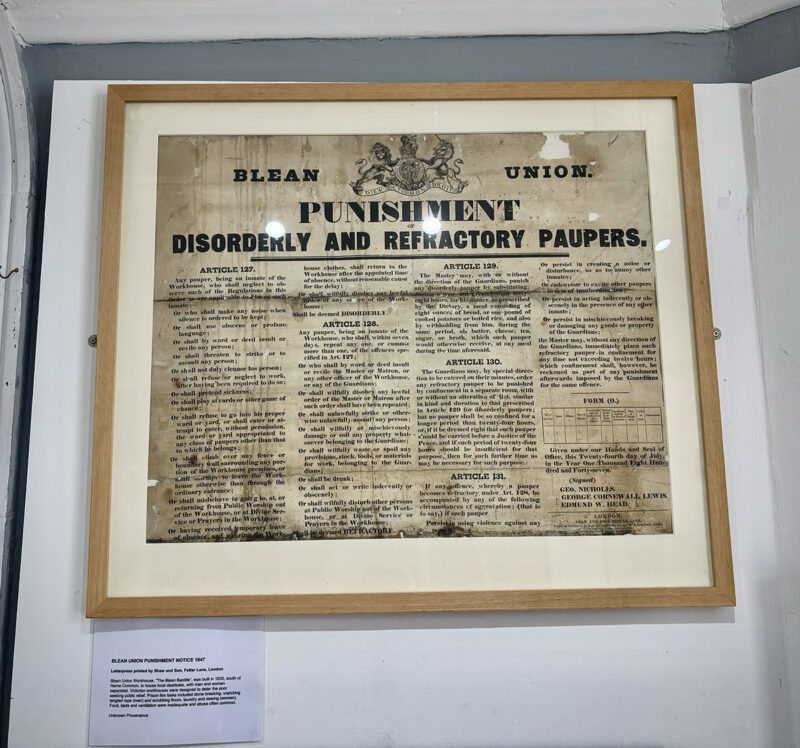
Punishment of disorderly and refractory paupers
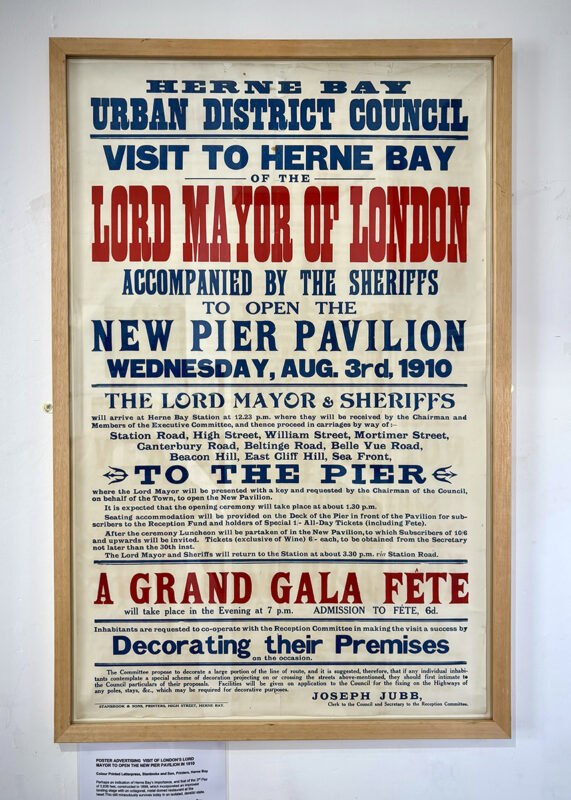
A mayoral visit 1910
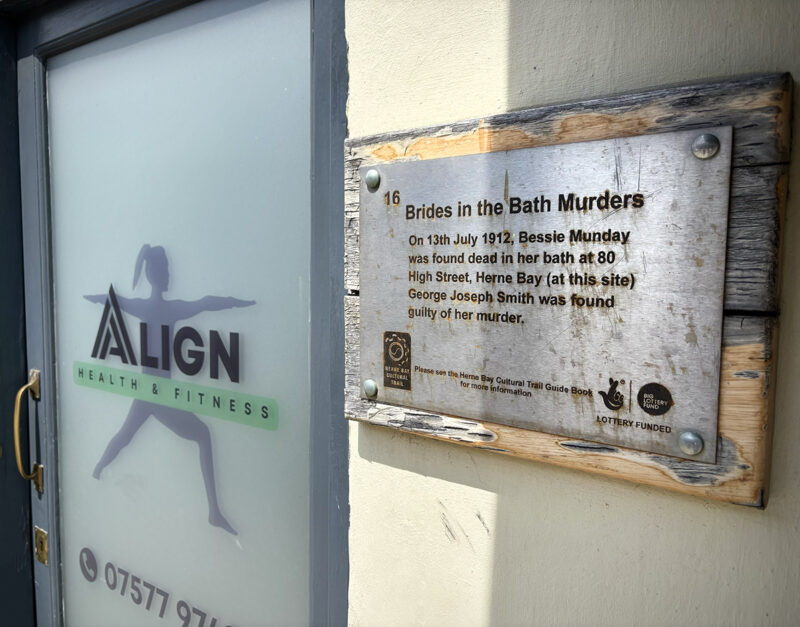
George Joseph Smith was a serial killer and bigamist whose apprehension in 1915 was significant in the history of forensic pathology. He murdered Bessie Munday at 159 High St Herne Bay
Walking past the site of one of the notorious Brides in the Bath murders to the seafront, we pause at The Kings Hall, an Edwardian pavilion, closed for a £2 million refurbishment until winter 2027/2028, but still open for coffee, cake and ice cream. This is the eastern edge of Herne Bay, and the land between, looking east towards Reculver Towers in the distance and known as Bishopstone Cliffs, is an important part of the Thanet Coast Site of Special Scientific Interest and is a Special Protection Area. It’s noted for nesting sand martins and other rare migratory birds, and fossilised sharks’ teeth.
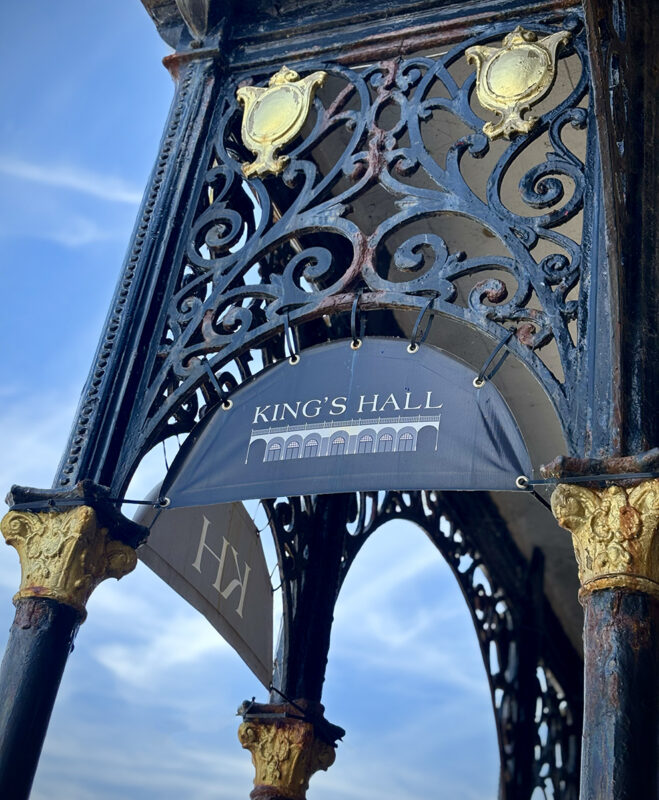
The Kings Hall on Beacon Hill
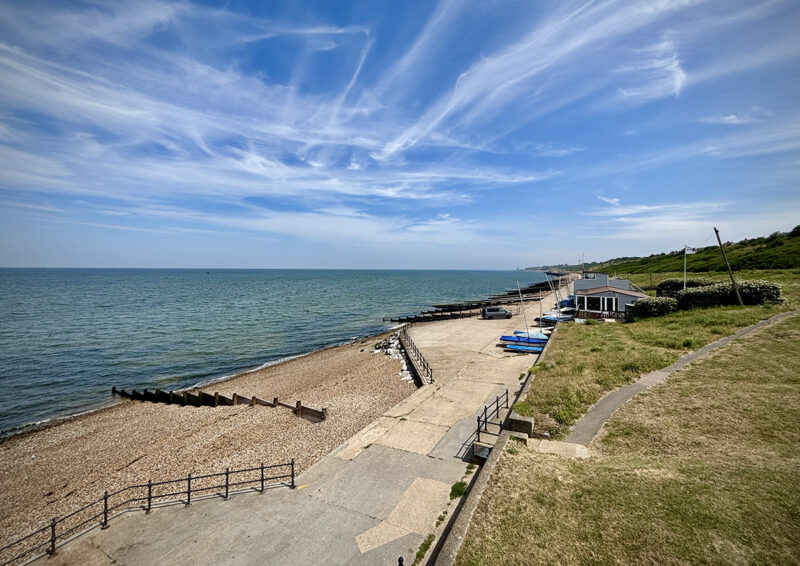
Looking towards Reculver past Bishopstone Cliffs
The Eastern edge of Herne Bay is the oldest area of the town. Herne Bay, as we know it today, was the invention of a few entrepreneurs in the early 19th century, who saw a chance to develop a smart resort from the small collection of houses around The Ship Inn, that relied for their livelihood on a bit of fishing and smuggling. It didn’t even have a name, being just a coastal outpost of the inland village of Herne. As it developed, it became Herne Bay, although there isn’t really a bay, but it sounded seaside-y.
George Burge of Tulse Hill, an engineer who had worked with Thomas Telford, had visited Southend and seen the prosperity brought to the town by the building of a pier, and the streams of visitors arriving from London by steamboat. He determined to create something similar on the Kent coast and chose this site because it was close to London via the Thames with a low-lying coastline.
As we walked westwards along the seafront past The Ship, the pastel-painted Regency houses on Central Parade, built by the entrepreneurs, are magnificent with lawns stretching down to the sea.
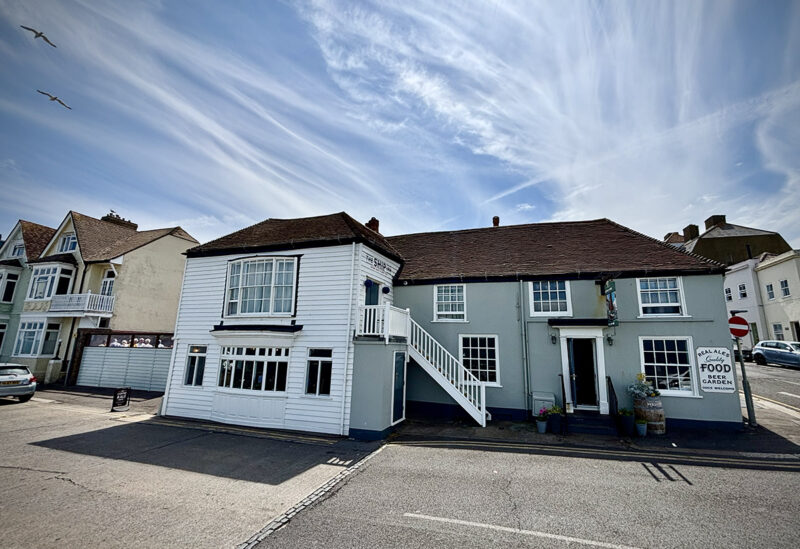
The Ship Inn, haunt of smugglers and fishermen before Herne Bay’s expansion. From St Johns Rd in Faversham to The Ship Inn is half a marathon, Neil Brown of Faversham Life points out. Read his running article here.
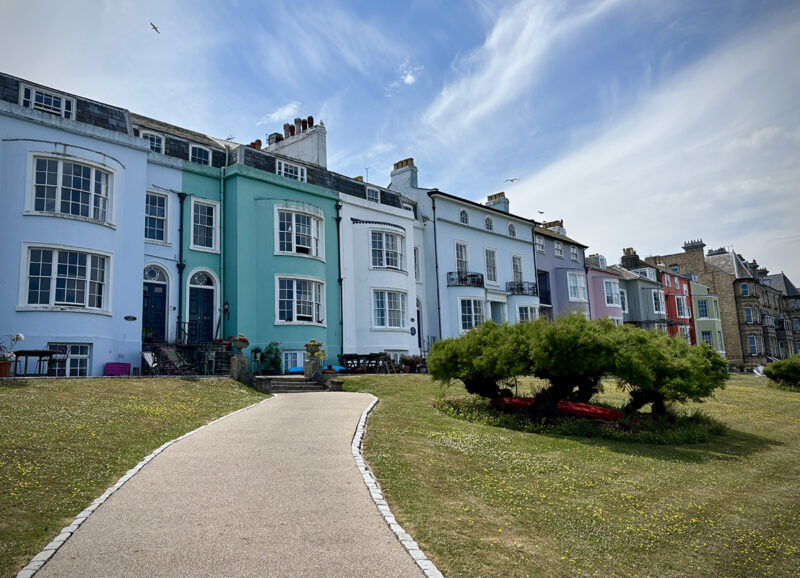
Regency splendour on Central Parade
From here, we veered inland to Mortimer St. There are many independent shops in this area, including an excellent toyshop and hardware store. We visited the Sanctuary exhibition at the very smart Sarah Baulch gallery in the URC Church in Mortimer St.
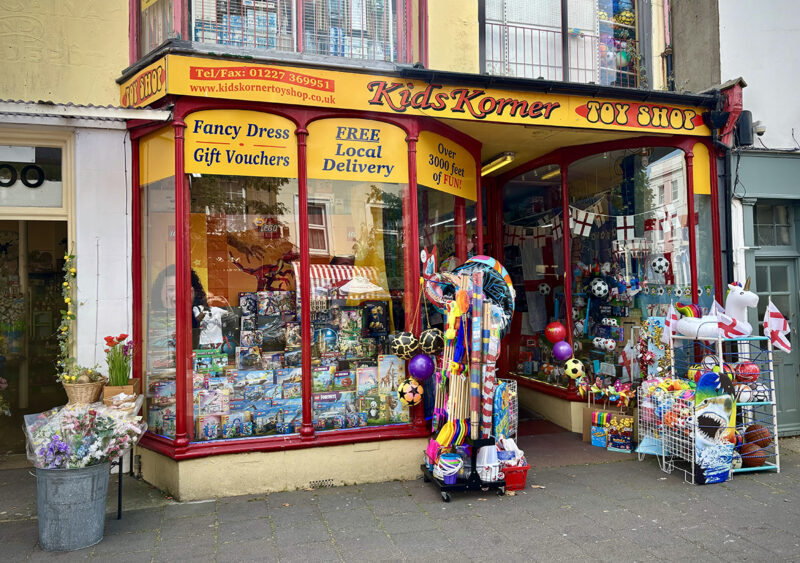
Kids Korner – two floors of toys and games
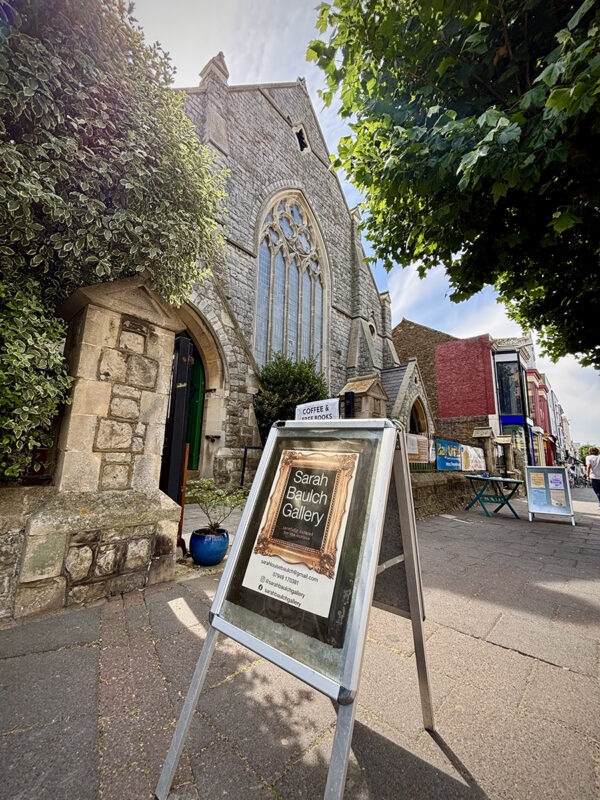
The Sarah Baulch gallery in Mortimer St
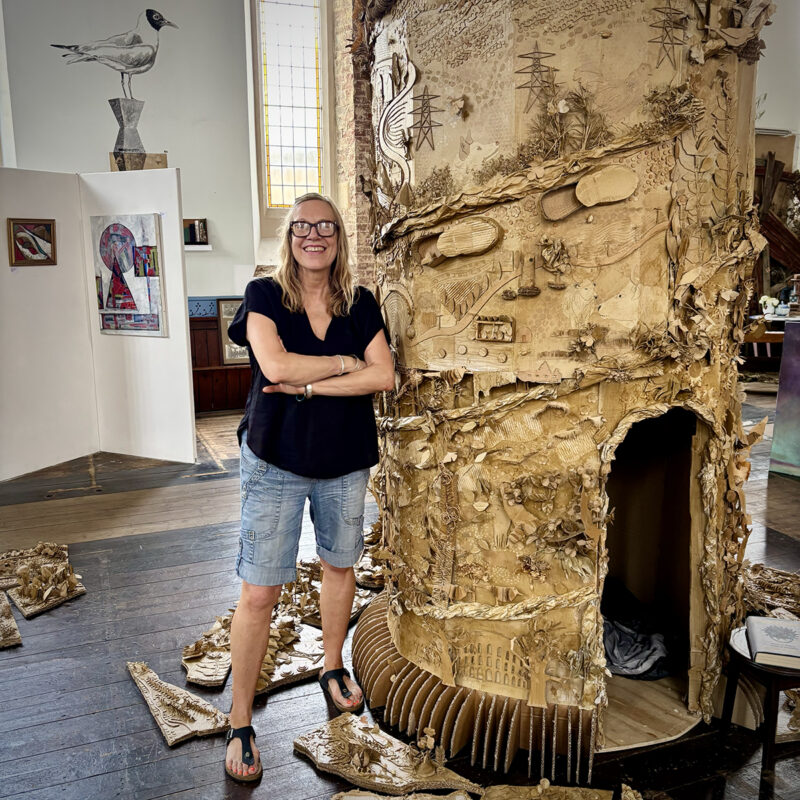
Sarah Baulch and the Sanctuary exhibition
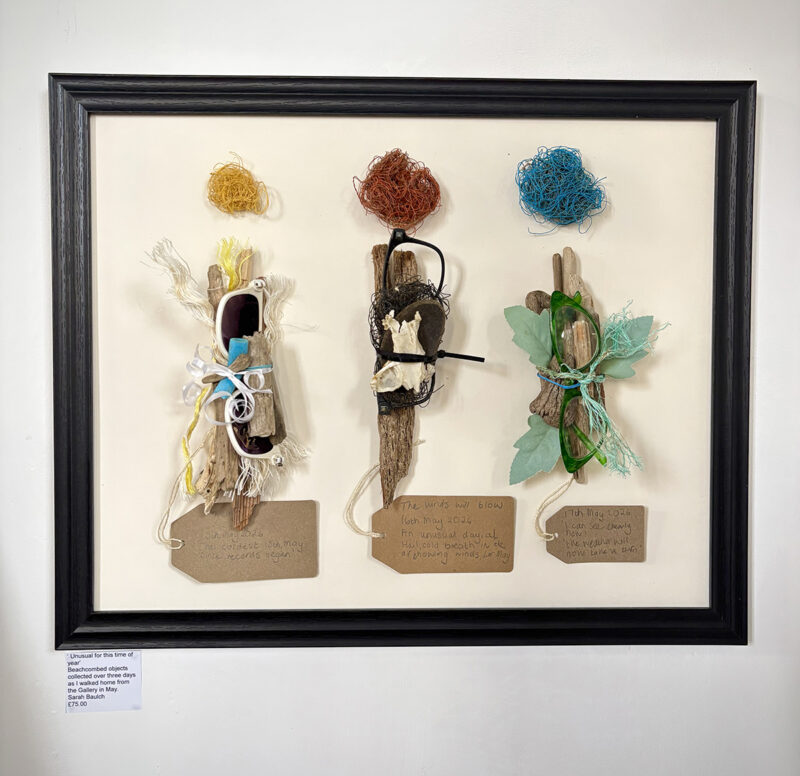
By Sarah Baulch
Then we were starving, so headed west towards the Pier and bought chips which we ate on a bench. We looked at the sea; the seagulls, with piercing gimlet eyes, looked at us; and the statue of Amy Johnson, who fell into the sea just off the coast of Herne Bay, and was never seen again, looked ever skyward.
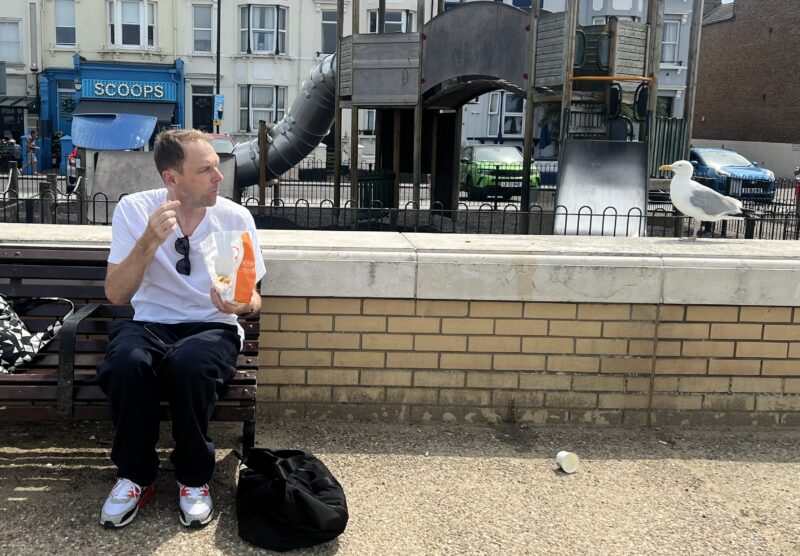
Neil Brown’s chips under scrutiny
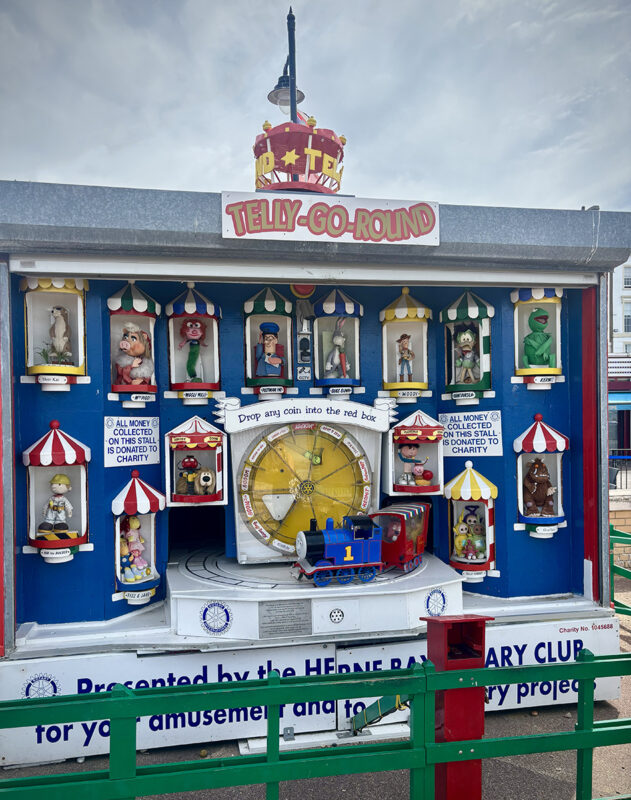
The Telly-Go-Round near the Pier
After a couple of goes on the Telly-Go-Round, we turned on to the Pier. The history and obsession with Herne Bay pier deserves a book of its own and it was central to the development of Herne Bay. The aforementioned Burge of Tulsa Hill, and other capitalists including George Randall of Kings Cross and local entrepreneur Sir Henry Oxenden, started to build the pier which was central to their scheme in 1831 and it was finished a year later, measuring an impressive 3633 feet long.
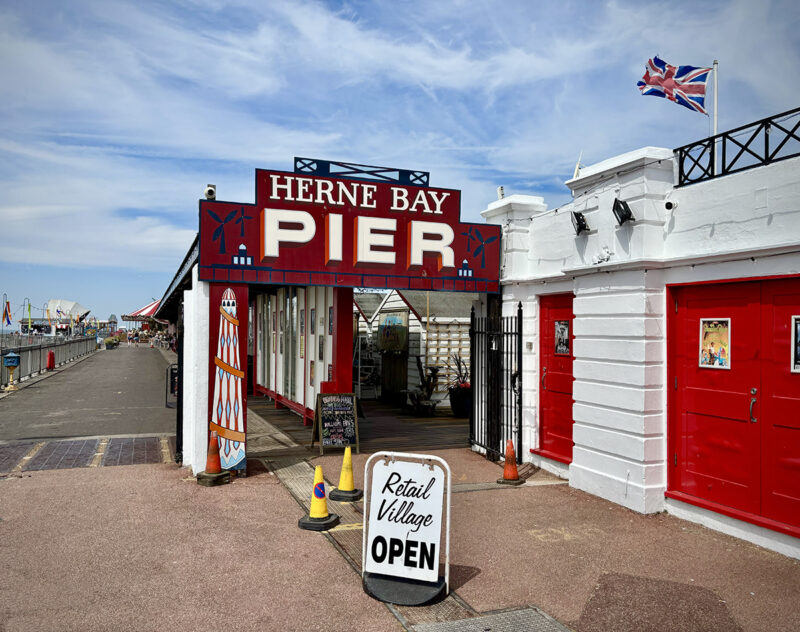
Herne Bay Pier today
By 1835, things were going swimmingly. 30,000 visitors disembarked at the pier and filled the three hotels, the grand boarding houses, the baths, assembly and billiard rooms. In 1837, the Duke of Cambridge visited and took tea at The Pier Hotel, which was then named The Royal Pier Hotel until it was knocked down in 1968. In 1842, 52,000 people arrived by steamboat at the pier. Herne Bay featured in an 1841 publication, The Fashionable Guide and Directory to the Public Places of Resort. And then things started to go wrong.
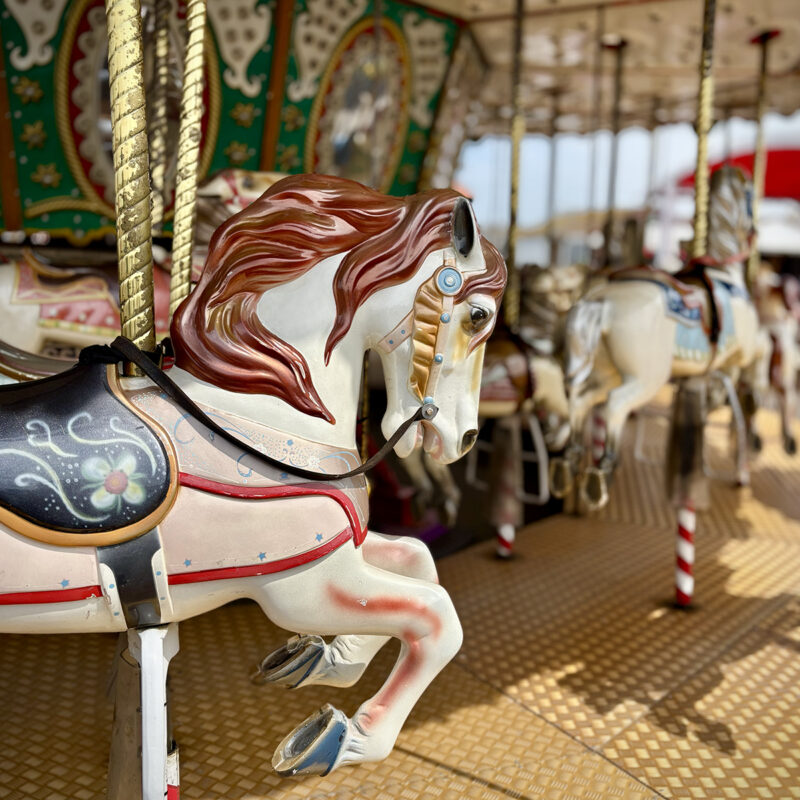
A Merry Go Round on the Pier
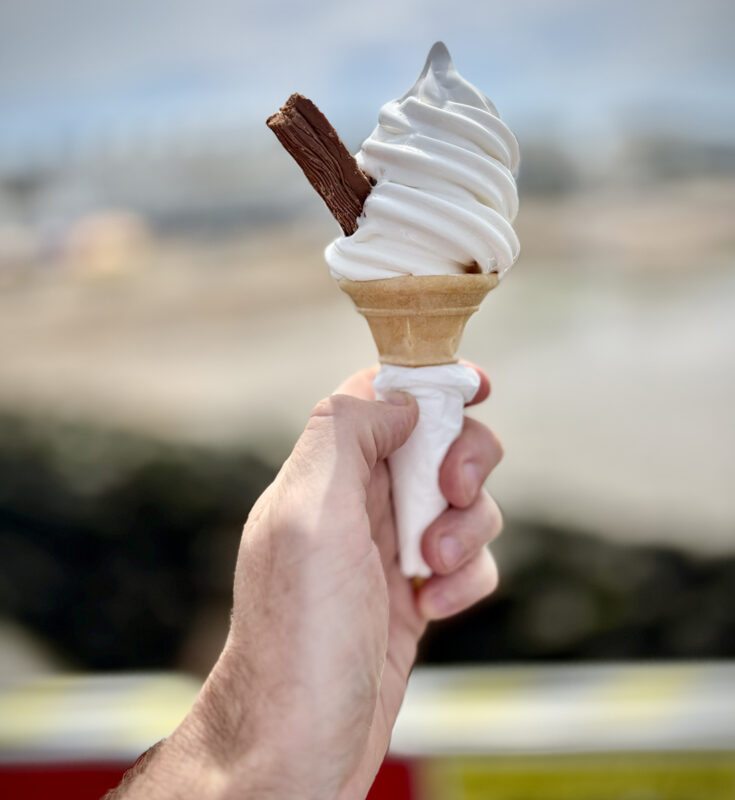
The Pier offers beer, a stage, small shops, crabbing and ice cream
In 1841, Brighton opened a railway station, followed by St Leonard’s in 1845 and Eastbourne in 1849. Suddenly the South Coast was accessible to Londoners. Herne Bay had to wait until 1861 for its railway station and by that time, the wooden pier was chewed to pieces by voracious sea worms, and declared unsafe in 1862 when it closed and the steamboats stopped. In 1871, it was dismantled and the materials auctioned off on the beach.
The cruel press started to laugh at Herne Bay. The Leisure Hour Magazine said: ‘It is coachless, cabless, busless, horseless, assless and, with the exception of an isolated, invalided poodle, dogless.’ The Illustrated London News reported: ‘Herne Bay is not popular. Its founders attempted too much and failed. Ridicule has done its utmost to deter people from visiting it.’
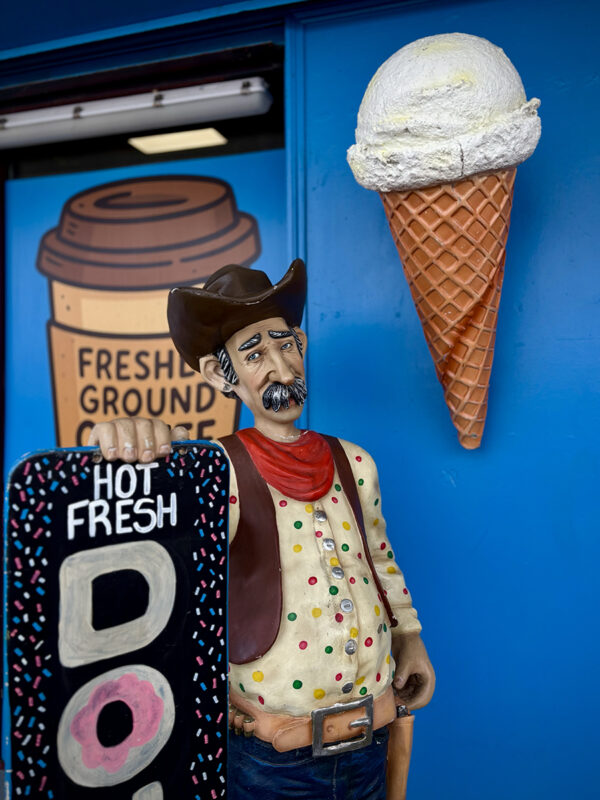
Along the front
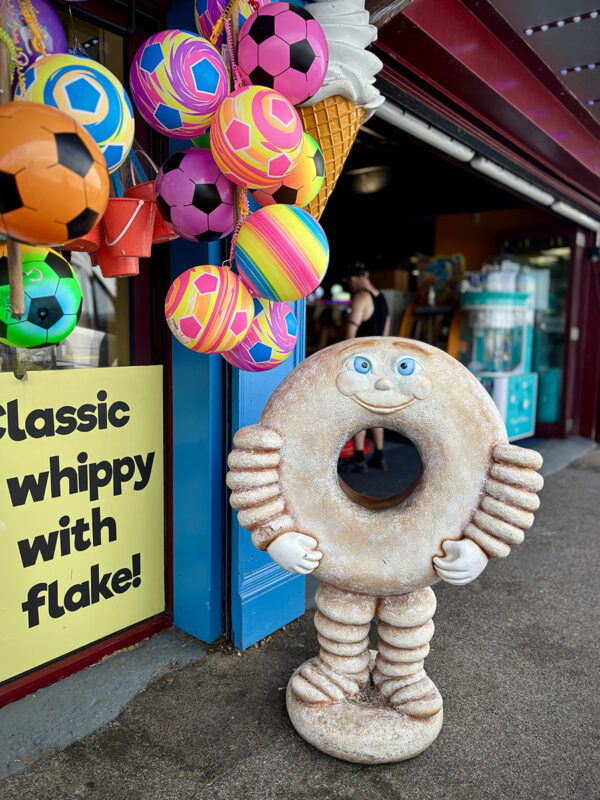
Doughnuts and beach balls
Enthusiasm for a pier had not entirely diminished however, and in 1873, a 320 foot pier, built of concrete and iron, was opened by The Lord Mayor of London attended by 10,000 visitors. The first pier had cost £50,000; this cost £2000.
A third, much more ambitious, pier opened in 1899, measuring 3787 feet – longer than the first – with an electric tram. The World Wars, the storm of 1953 took their toll on the pier, and finally a storm in January 1978 washed away its main length, leaving the short section that exists today, and the pier head isolated out at sea.
And still, there are huge ambitions for the Pier – too much to go in to here, but enthralling (Read about this on the National Pier Society website).
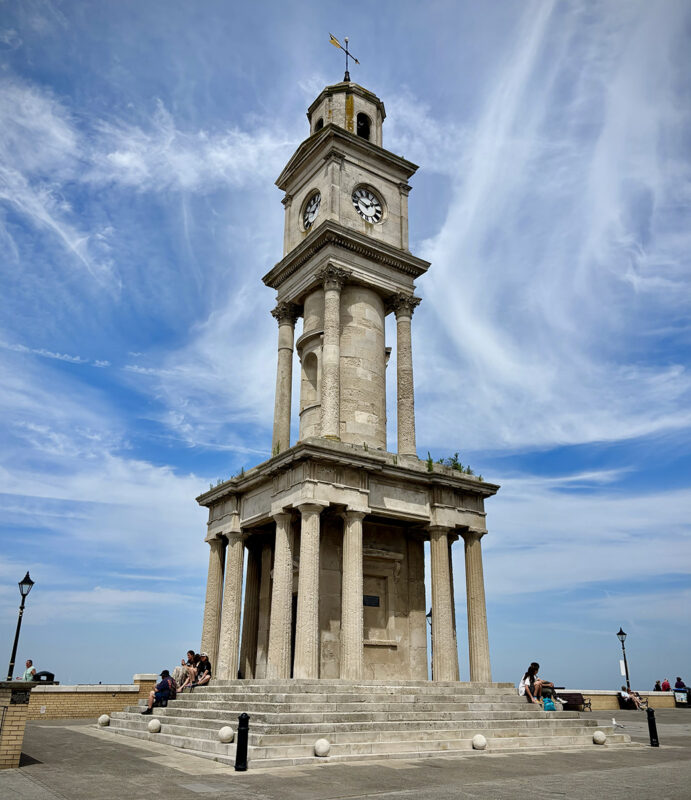
The Grade II listed Herne Bay Clock Tower, built with a donation from the rich widow Mrs Ann Thwaytes who had had happy sojourns in Herne Bay in the 1830s
The charms of Herne Bay are not to be underestimated. Its fashionable moment will come yet.
Text: Posy Gentles. Photography: Neil Brown
Informative sources
Stages of Urban and Economic Evolution